
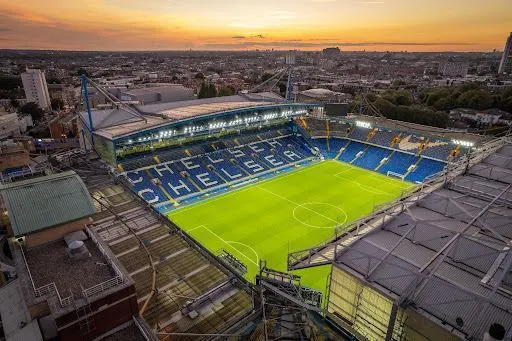
Why are home teams losing more than ever in the Premier League?
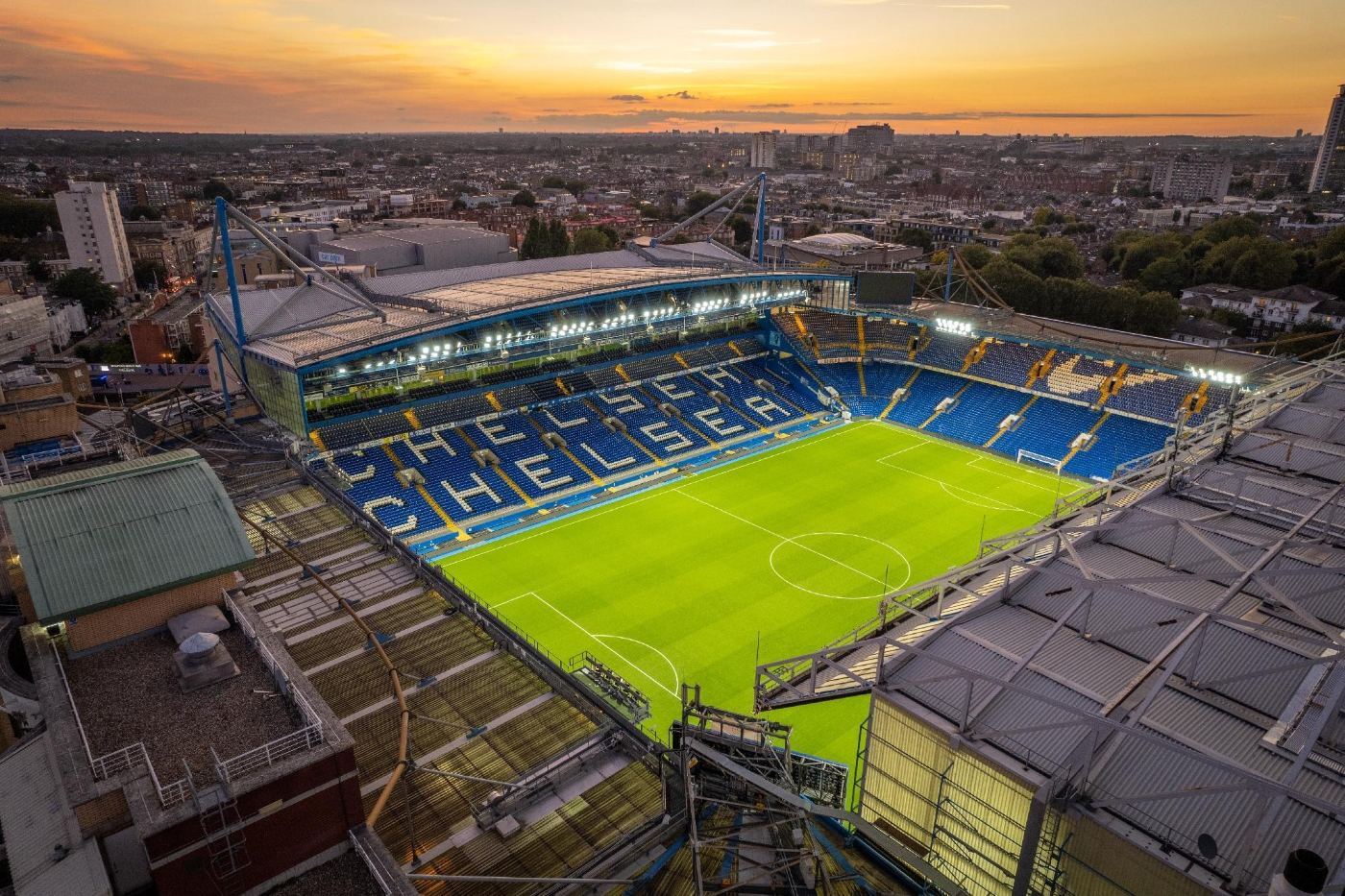
(Stock ID: 2229499817)
Playing at home used to be the closest thing football had to a head start. This season, it has offered Premier League sides very little protection, and anyone betting on football can no longer count on home advantage.
Opta’s trends review in early October found that home teams had won 36% of matches after five rounds of 2026-27. That was the lowest rate in Premier League history, below even the 2020-21 season played largely without fans. The reasons go beyond a few bad weekends.
The numbers behind the slump
The lowest point came in the fourth round in September. Leeds United’s 4-1 win over Newcastle United was the only home victory in 10 games, and four of the other nine finished level. Without it, the league would have had its first full round without a home win since September 2000.
The rate has climbed since the international break. After seven rounds, home sides had won 28 of 70 games, or 40%. Only 2020-21, at 37.9%, has finished lower.
The trend runs deeper than one season. Home teams won 47.2% of Premier League games across the 2000s. In the six completed seasons since 2020, that figure has fallen to 43.1%. Counting this season so far, three of the four lowest home win rates in the competition’s history have come this decade.
Home wins are becoming draws
Away sides are not winning in unusually large numbers. Opta found that away wins made up 32% of the first 50 games, only the seventh-highest rate on record. The missing home wins have mostly turned into draws.
There were 16 draws in those 50 matches, a 32% rate that no full Premier League season has ever matched. Teams that scored first went on to win 29 of 45 games, a 64.4% rate that is the second-lowest in 14 years. Leads are not being held.
Having the ball is no longer enough
Opta’s figures also show possession losing its value. Teams with at least 60% of the ball won just eight of 22 matches early this season, the third-lowest rate since 2005-06.
Counter-attacks are doing the damage. Fast breaks per game, and the shots and goals they produced, were at their highest since 2006-07. Chelsea beat Brighton & Hove Albion 4-3 with only 25.6% possession. That suits sides who are happy to sit deep and break against teams trying to control the game.
A problem for most clubs, not all
Three clubs have kept their home form intact. Manchester City won all four of their home games, Arsenal won all three and Brighton won three of four. That is 10 wins from 11 matches.
The other 17 clubs won 18 of their 59 home games between them, a rate of 30.5%. At the time of writing, Liverpool have not won any of their three games at Anfield, including a 3-0 defeat by City, but are unbeaten in four away from home. Nottingham Forest have not won in four at the City Ground, and three of those games ended in 1-0 defeats.
Why the edge is fading
Sky Sports’ analysis in February 2026 pointed to several long-term causes. Travel is easier than it used to be, and well-resourced clubs now prepare for away trips with the help of sports science. Pitches are also far more uniform, with UEFA requiring dimensions of 100-105m by 64-68m.
Crowds still matter, as 2020-21 showed. With supporters locked out, home teams lost their usual edge, and away wins outnumbered home wins for the first time in the competition’s history.
Fans returned the following season, but home win rates have not fully recovered. In 2024-25, home sides won 40.8% of games, the lowest full-season rate with crowds in the Premier League era.
 All articles